Foxy Brown Stonefly | Steelhead Fly Tying
Stoneflies can be intimidating when you first sit down to tie them. Between the tails, antennae, wing cases, rubber legs, taper, and proportions, they can look far more complicated than they really are. The truth is that once you learn to break a stonefly down into sections—the abdomen, thorax, wing case, and legs—the process becomes much more manageable, and the opportunities for creativity become almost endless.
For years I avoided tying stoneflies. Then one day I decided to sit down at the vise and figure them out. By focusing on each section individually and learning how proportions influence the finished fly, I quickly realized that stoneflies aren’t nearly as difficult as they appear. That experience is something I hope to share through a series of upcoming stonefly videos.
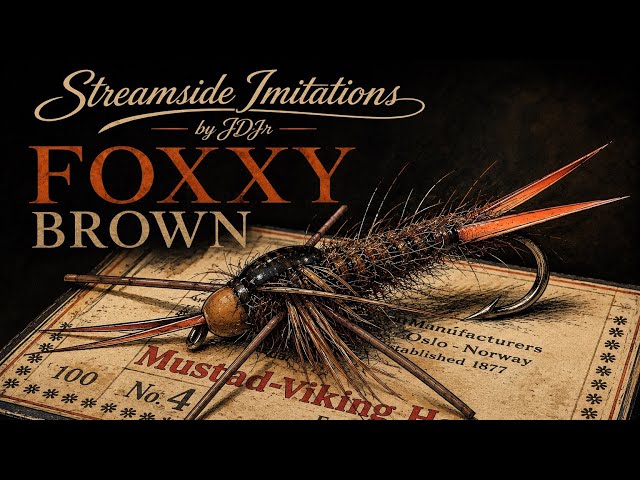
This particular pattern is the Foxy Brown from John Larison’s book, The Complete Steelheader. Like many steelhead patterns originating in the Pacific Northwest, it blends suggestive realism with attractor qualities. Steelhead flies often fall somewhere between exact imitation and trigger pattern, and I enjoy experimenting in that middle ground.
My version differs slightly from the original by using a tungsten bead in place of the conehead called for in the recipe. Whether you choose tungsten, brass, or another weighted option, the goal is the same: get the fly into the strike zone and keep it there.
Stoneflies have long been an important food source in rivers throughout the Pacific Northwest, where many modern steelhead techniques and fly patterns were developed. As steelhead move through a river system, especially after salmon spawning activity slows and egg availability decreases, they begin focusing more heavily on natural food sources. Large stonefly nymphs become an excellent option during these periods.
The same concept applies here in the Northeast. On rivers such as the Salmon River and other Lake Ontario tributaries, changing flows regularly dislodge stonefly nymphs and other aquatic insects, creating feeding opportunities for trout and steelhead alike. Stoneflies can be especially effective after higher water events, during Winter conditions, and throughout the drop-back season when post-spawn fish are looking for substantial meals.
Don’t be afraid to fish larger stonefly patterns. While this fly is tied on the larger side, many natural stoneflies reach impressive sizes. Even here in New Jersey’s trout streams, stoneflies of comparable size are common. Sometimes a big meal is exactly what a fish is looking for!
Stoneflies can be intimidating when you first sit down to tie them. Between the tails, antennae, wing cases, rubber legs, taper, and proportions, they can look far more complicated than they really are. The truth is that once you learn to break a stonefly down into sections—the abdomen, thorax, wing case, and legs—the process becomes much more manageable, and the opportunities for creativity become almost endless.
For years I avoided tying stoneflies. Then one day I decided to sit down at the vise and figure them out. By focusing on each section individually and learning how proportions influence the finished fly, I quickly realized that stoneflies aren’t nearly as difficult as they appear. That experience is something I hope to share through a series of upcoming stonefly videos.
This particular pattern is the Foxy Brown from John Larison’s book, The Complete Steelheader. Like many steelhead patterns originating in the Pacific Northwest, it blends suggestive realism with attractor qualities. Steelhead flies often fall somewhere between exact imitation and trigger pattern, and I enjoy experimenting in that middle ground.
My version differs slightly from the original by using a tungsten bead in place of the conehead called for in the recipe. Whether you choose tungsten, brass, or another weighted option, the goal is the same: get the fly into the strike zone and keep it there.
Stoneflies have long been an important food source in rivers throughout the Pacific Northwest, where many modern steelhead techniques and fly patterns were developed. As steelhead move through a river system, especially after salmon spawning activity slows and egg availability decreases, they begin focusing more heavily on natural food sources. Large stonefly nymphs become an excellent option during these periods.
The same concept applies here in the Northeast. On rivers such as the Salmon River and other Lake Ontario tributaries, changing flows regularly dislodge stonefly nymphs and other aquatic insects, creating feeding opportunities for trout and steelhead alike. Stoneflies can be especially effective after higher water events, during Winter conditions, and throughout the drop-back season when post-spawn fish are looking for substantial meals.
Don’t be afraid to fish larger stonefly patterns. While this fly is tied on the larger side, many natural stoneflies reach impressive sizes. Even here in New Jersey’s trout streams, stoneflies of comparable size are common. Sometimes a big meal is exactly what a fish is looking for!
- Category
- Steelheads
- Tags
- #Steelhead #Steelhead fly #Stonefly #Salmon River
Post your comment
Up Next
Autoplay
-
Fly Tying: MLF Never Fail Stonefly Nymph
-
A simple Stonefly nymph tying demo for STEELHEAD in Ontario
-
05:53

Stonefly Creeper
-
Stonefly Euro Nymph: Signature Tyer Devin Olsen's Straggle Stone
-
Pat's Rubber Leg Stonefly Variation
-
Tying The BEST Stonefly Nymph for Steelhead Trout
-
20 Incher Stonefly
-
11:23
Hitchhiker Stonefly, Holsinger's Fly Shop, Episode 540
-
18:13
Tying "Tellico Nymph" - Golden Stonefly (Nymphs) by BK
-
09:18
Black stonefly goose biots
-
Fly Fishing In The Black Hills
-
Roving the River for Specimen Pike
-
HATCH - BIG SKY PMDs - Montana Fly Fishing By Todd Moen
-
Fly Fishing In Some Of The Best Trout Fishing Water I Have Ever Seen!